About UP
UP Today
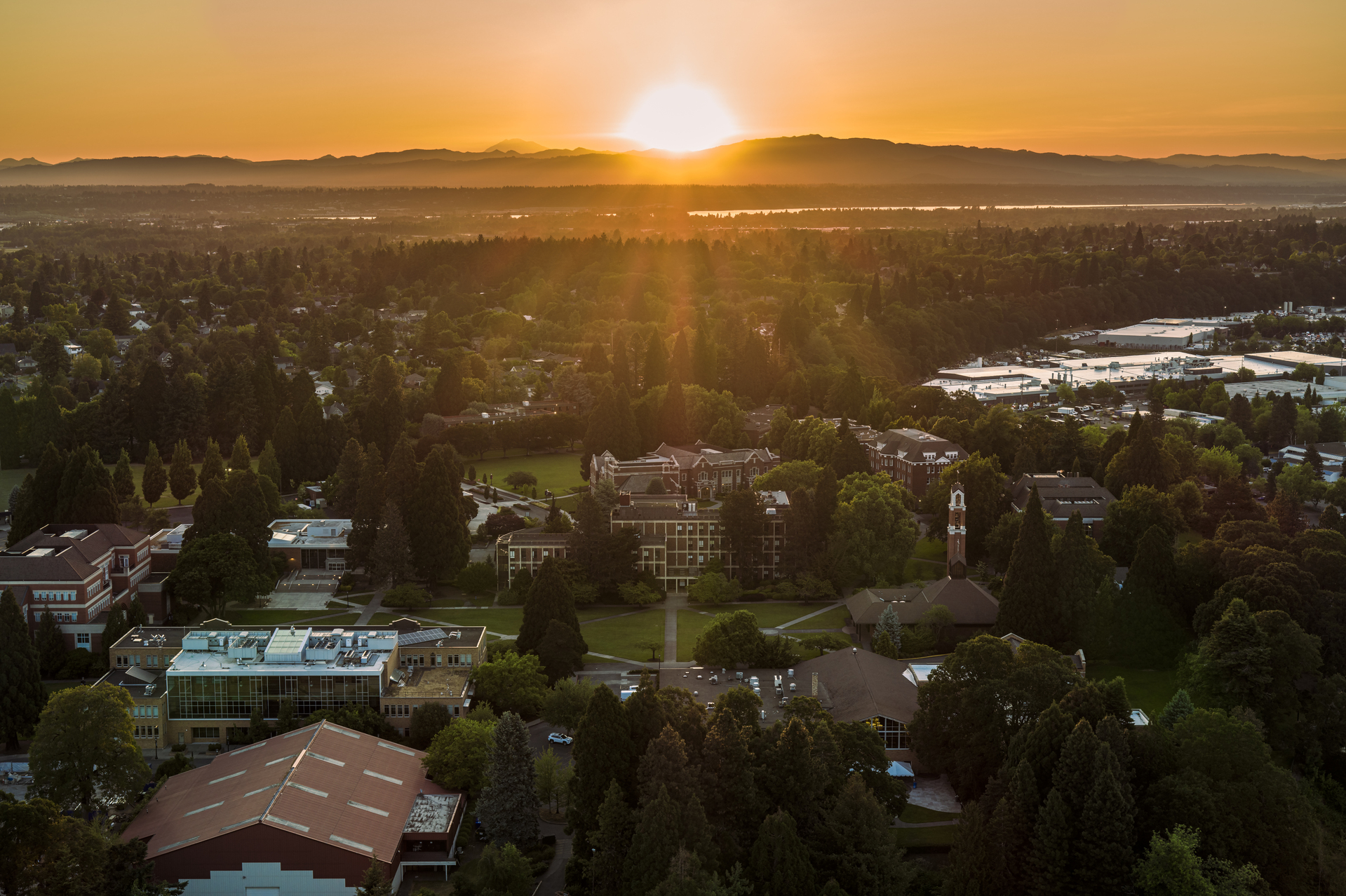
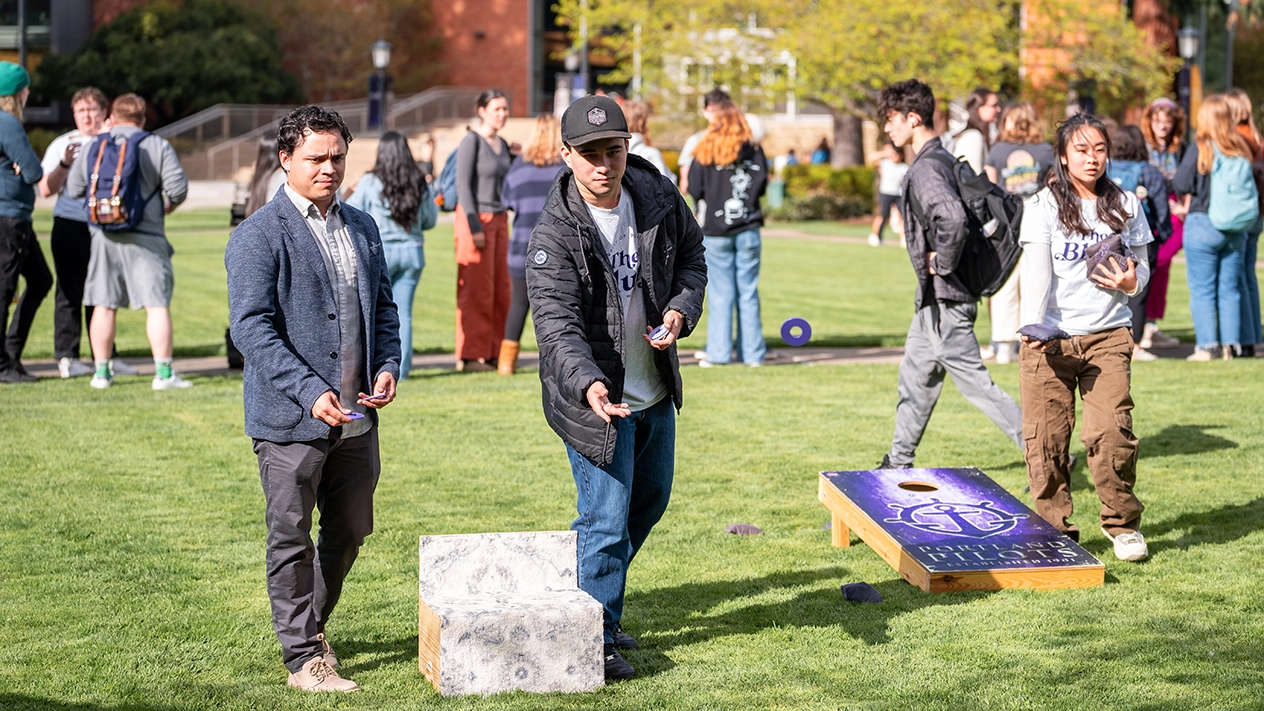
University of Portland is a thriving community of more than 3,500 undergraduate students, who come from around the nation and the world, as well as over 1,000 faculty and staff. Our campus is located on a scenic promontory in a residential neighborhood dotted with charming historic homes. This beautiful vantage point overlooking the Willamette River and the city of Portland lends UP the inspiration for its nickname, “The Bluff.”
Leadership
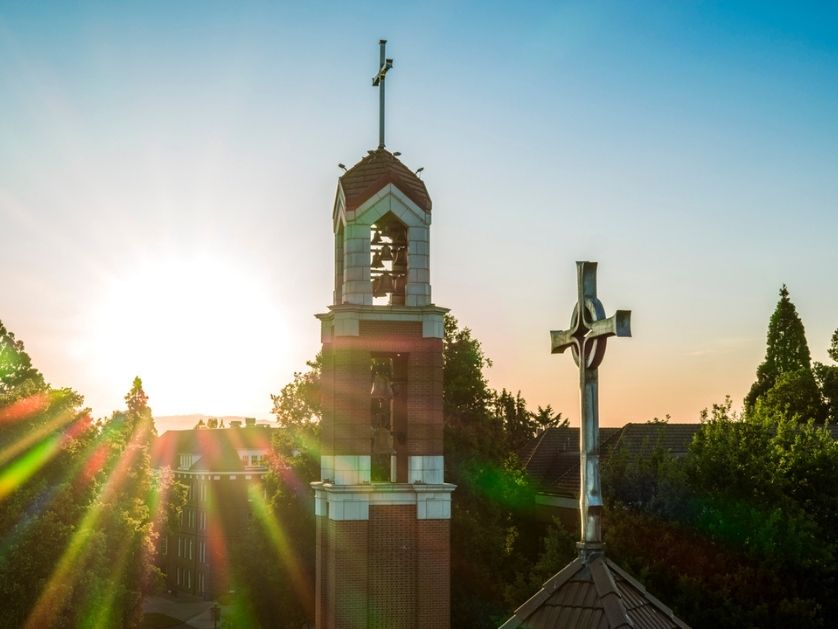
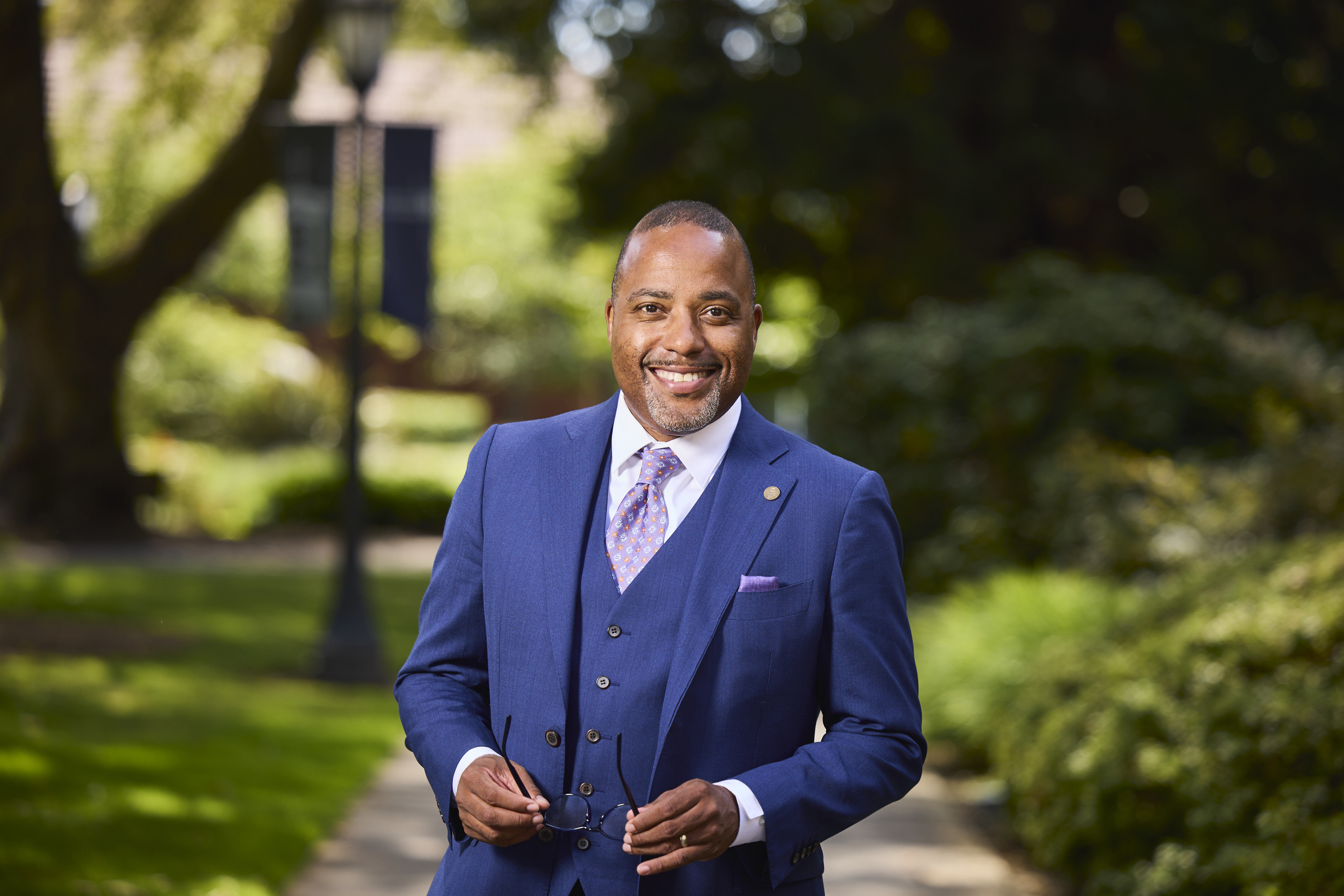
The University is currently led by President Robert D. Kelly, PhD. Since our inception in 1901, the University has been guided by the Congregation of Holy Cross, a Catholic order of priests and brothers. The founder of the order, Blessed Basil Moreau, CSC, said, "The mind will not be cultivated at the expense of the heart.” This commitment to educating the hands, heart, and mind are hallmarks of our belief in educating the whole person.
National Recognition
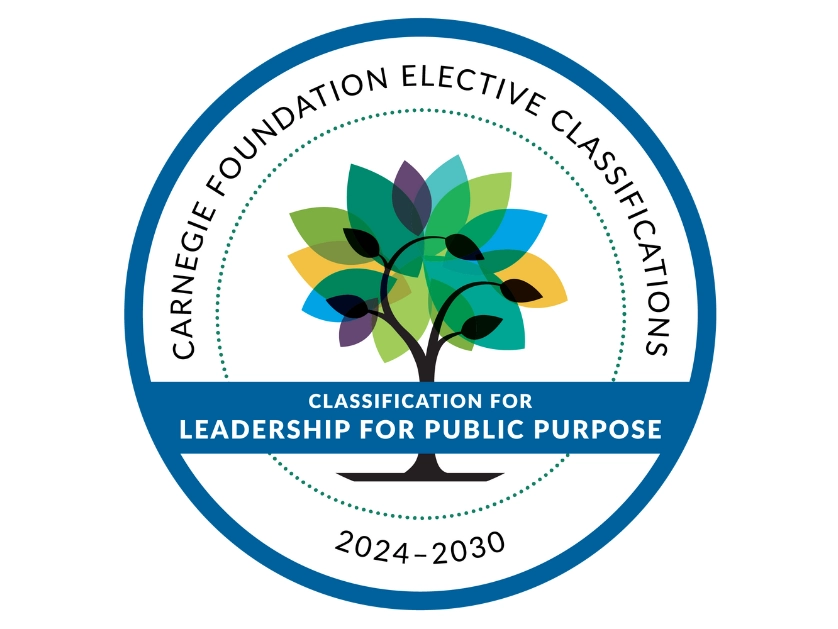
For 29 consecutive years, the University has earned a top-10 ranking by US News & World Report in the “Regional Universities – West” classification, including the number 2 spot in the 2024 rankings. UP was honored with a Carnegie Elective Classification for Leadership for Public Purpose in 2024 and selected as one of the 2023 "Best Colleges in America" by Money Magazine. For nine consecutive years, UP has also been the top Oregon school in Kiplinger’s Personal Finance annual ranking of best values in private universities, providing students with an excellent “return on investment”.


Academics
University of Portland is a comprehensive, Catholic liberal arts university with schools of business, education, engineering, nursing, a College of Arts and Sciences, and a graduate school. There are more than 50 undergraduate programs and 40 minors, as well as 18 graduate programs, and more than 1,300 courses. As one of the nation's top producers of Fulbright Scholars among master's level institutions, UP's small class settings (11:1 student-faculty ratio) and award-winning faculty create the optimal experience for student success with 84% of UP's class of 2022 reporting a positive career outcome.
Going UP?
Go farther and dream bigger than you ever thought possible. Join a community that's on a mission to change the world for the better. New experiences are waiting.