Bring All of Who You Are
Begin your journey to a rewarding future today at UP. Our enrollment confirmation deadline has been extended to June 1. See the announcement from our VP for Enrollment Management.
FAFSA Submission and Enrollment Confirmation Updates
Create a Route That's Right For You
A Hands-On Curriculum That Drives Discovery
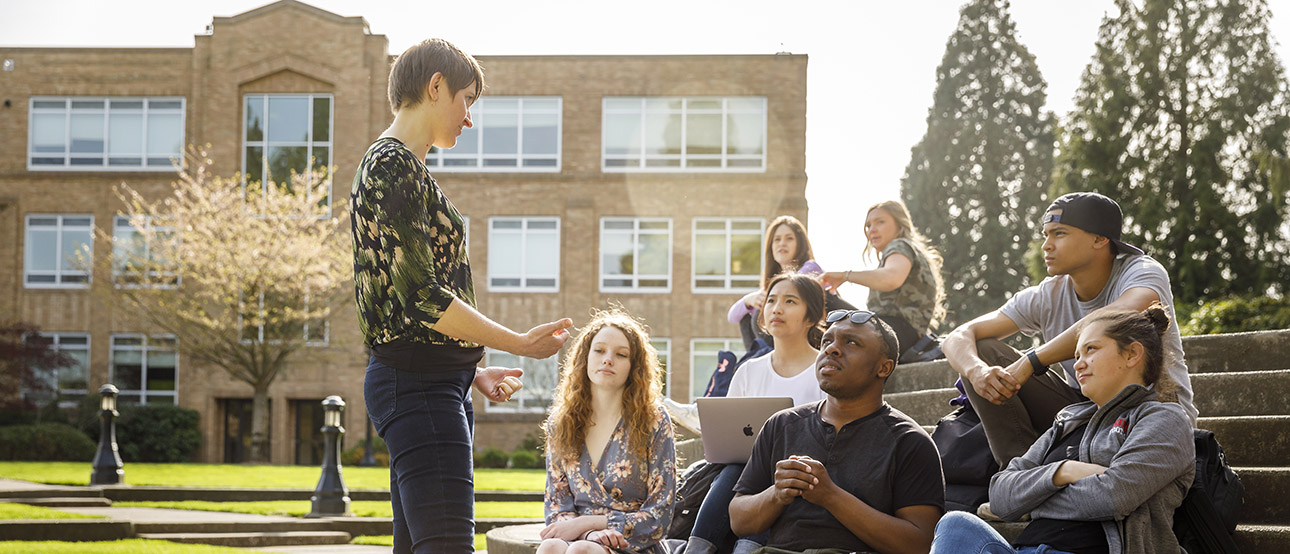
At University of Portland, every academic program is rooted in a liberal arts core curriculum that allows you to test out your intellectual interests, change direction, or combine fields of study to create a route that’s right for you. Our core curriculum is designed to enrich all majors with subjects that have stood the test of time.
By The Numbers
An education from UP satisfies every bottom line.
99%
of Students Receive Financial Aid or Scholarships
100%
of classes taught by faculty, not grad students
9:1
Student/Faculty Ratio
Everywhere You Look, a Breathtaking View
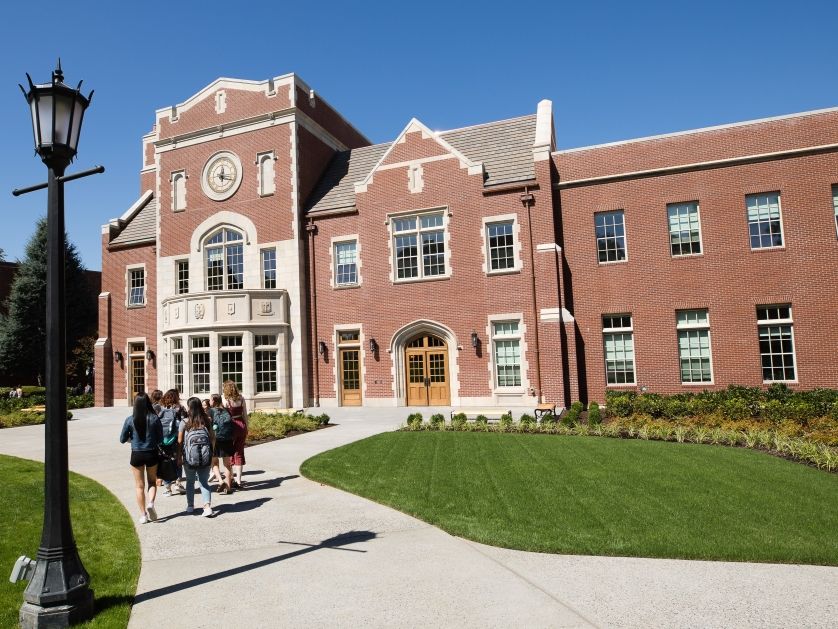
Begin Your Journey On The Bluff.
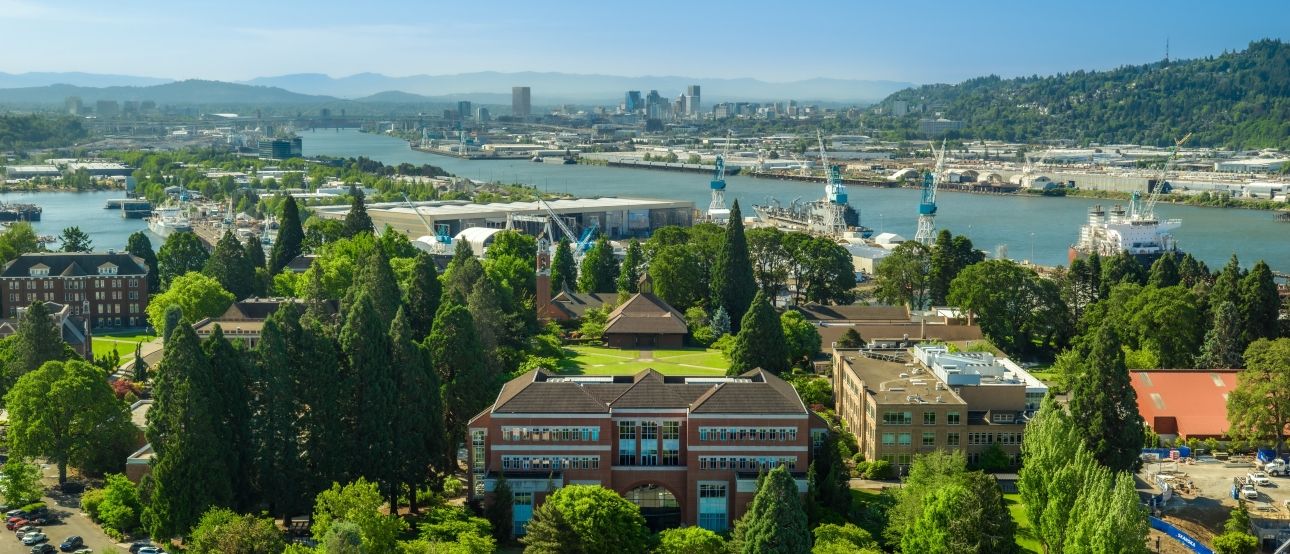
From the park-like setting of our beautiful campus, you will have countless opportunities to expand your world, whether you discover new trails or new interests. And you'll be ideally situated to experience Portland's thriving arts, culture, and dining scenes, and take advantage of internships and jobs in a wide range of industries.
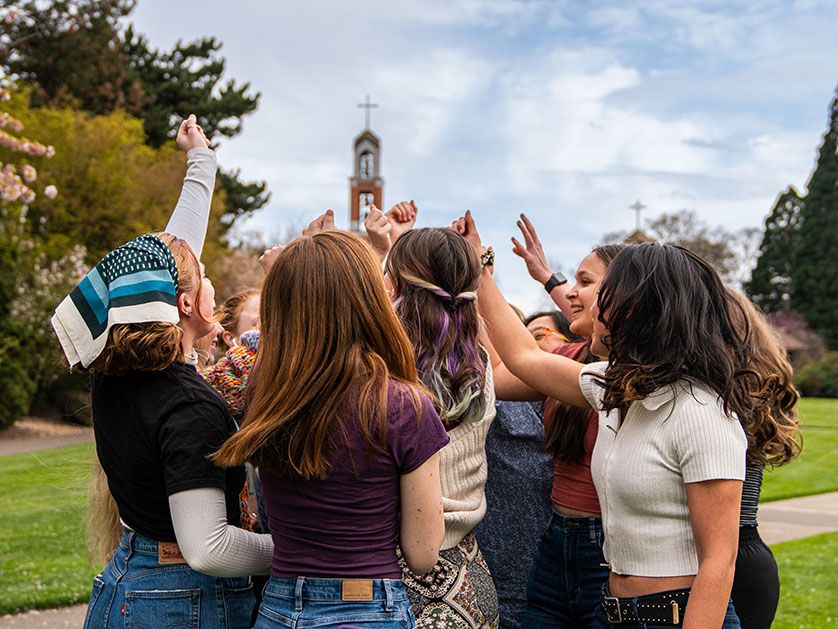
A Place Where All Are Welcome and Valued
Faith and Inclusivity are Interwoven Throughout Our Community.
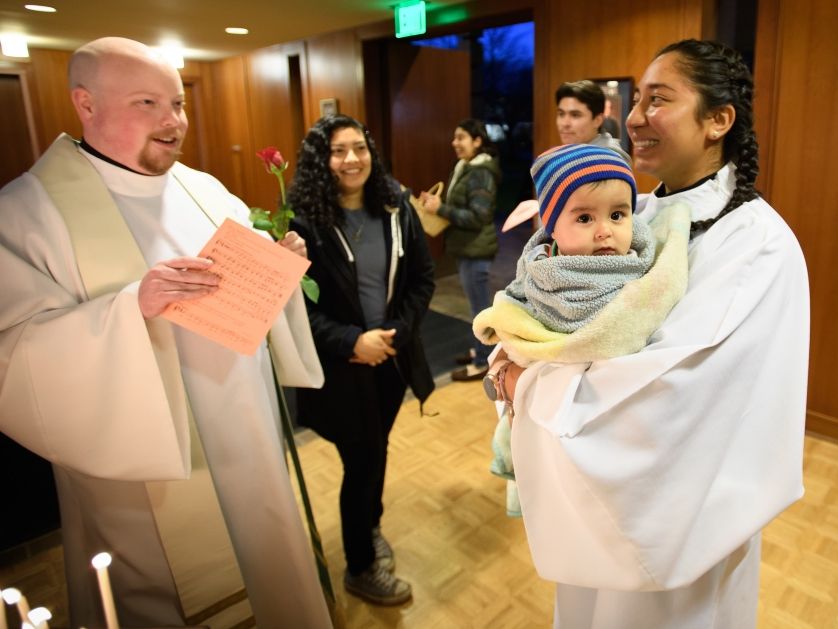
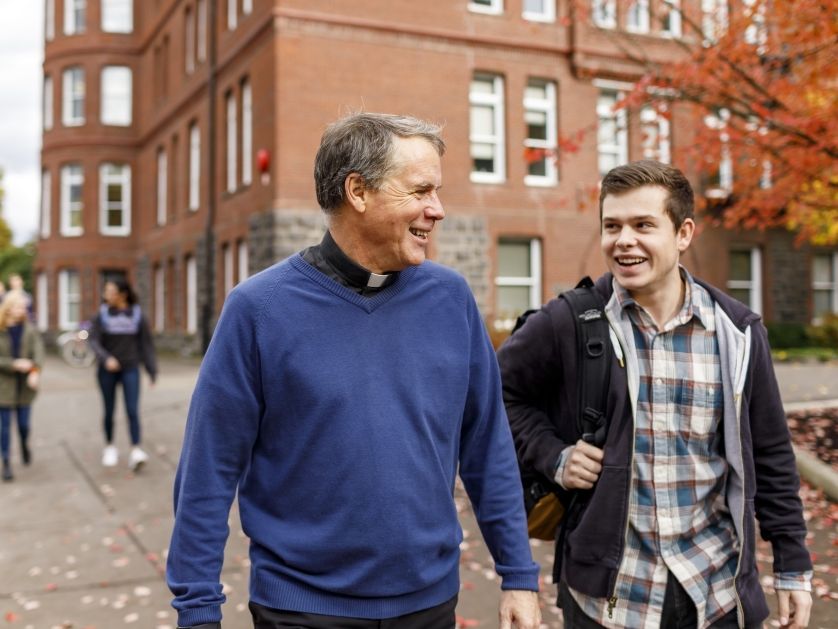
UP welcomes people of all faiths and encourages everyone to bring their whole selves to their education. From your core classes to events with thought-provoking artists and speakers, you’ll learn to engage constructively with diverse people and ideas and develop a greater understanding of the roles religion, faith, and ethics play in our world.
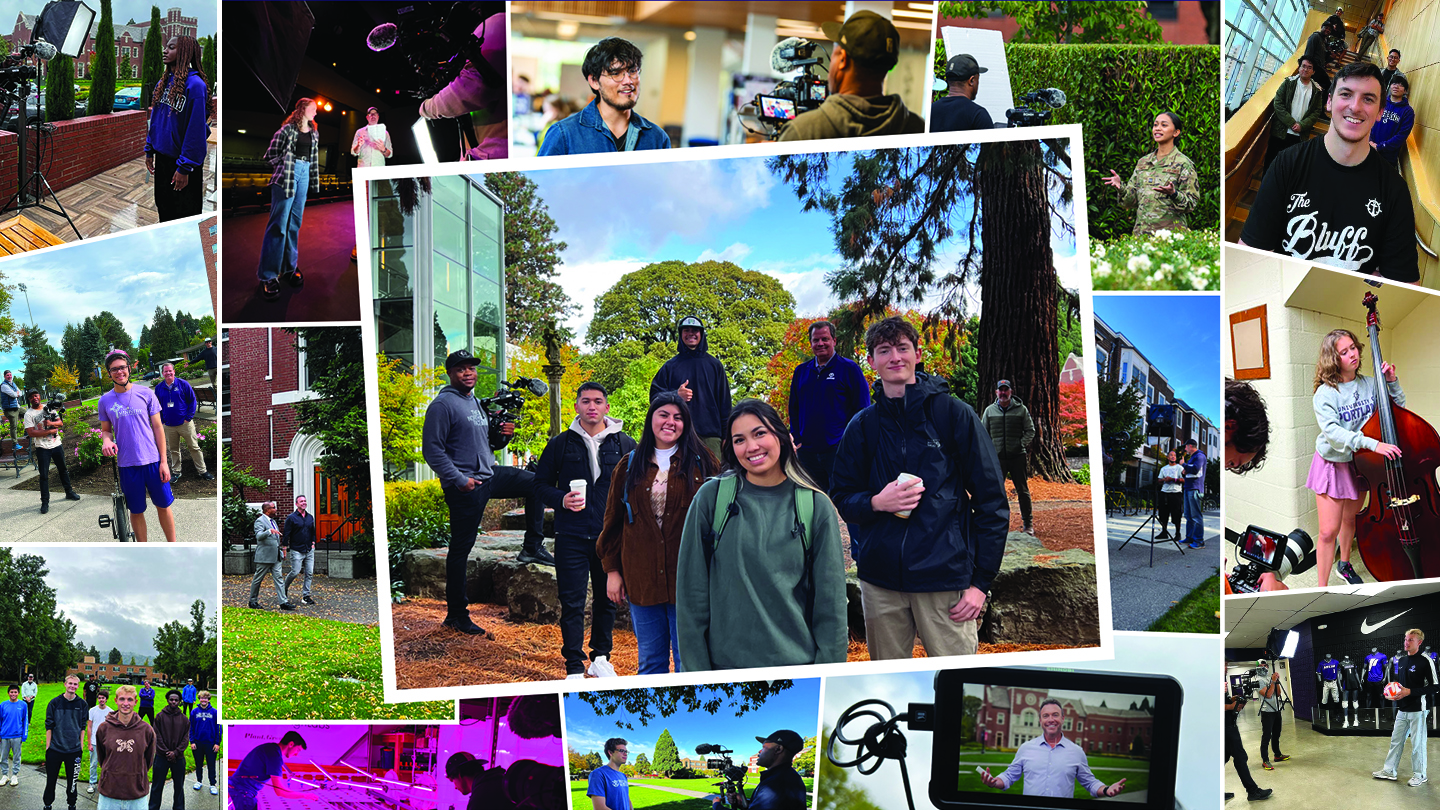
See UP Like Never Before
The College Tour
Featuring 10 inspiring students with a range of majors and passions and experiences, The College Tour brings University of Portland to life for the world to see. Explore our campus through the eyes of our students and a filmmaker's lens. Consider yourself invited to take the tour!
Making An Impact
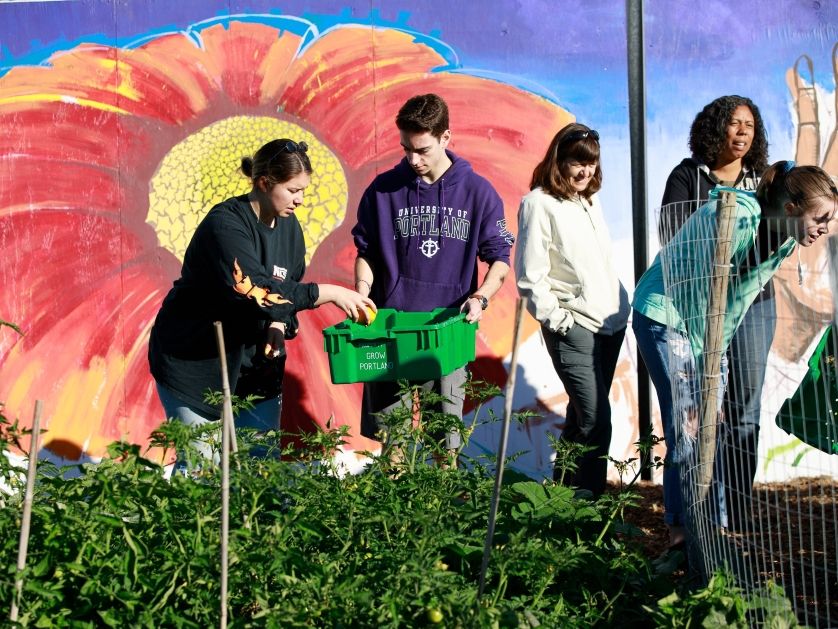
Finding Common Ground Through Serving the Common Good
UP is rooted in a tradition of meaningful service. However, instead of counting hours, your impact will be measured by a greater understanding of the socio-economic issues both close to home and far afield that affect our human family. You'll make positive change while connecting the experiences to what you're learning in your courses.
Your Never-Ending Curiosity Can Lead to Unimagined Places
News
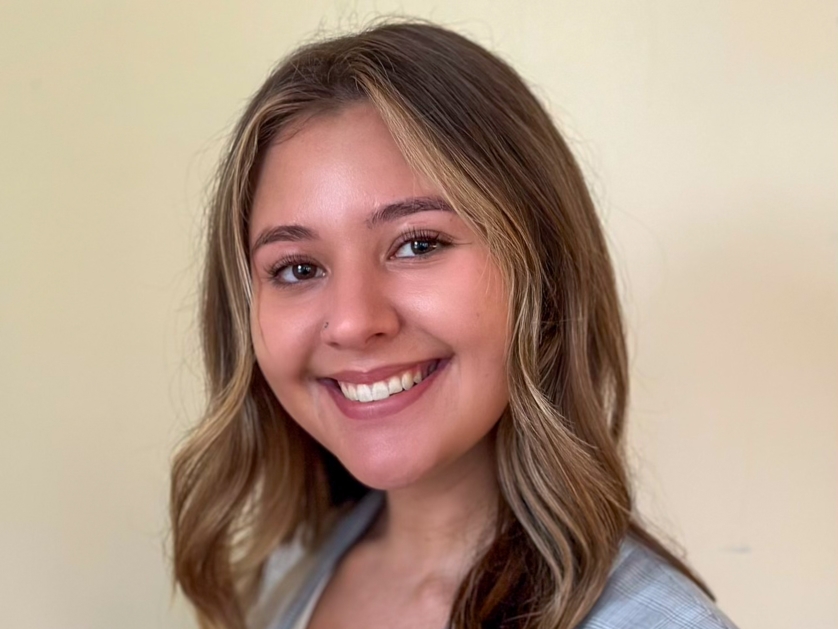
Junior Julianna Pedone Becomes Second UP Appointee to Oregon’s Sexual Misconduct Survey Council
April 12, 2024
One month after the University’s Assistant Director of Institutional Research Adeya Powell, PhD, joined the State of Oregon’s Sexual Misconduct Survey Council, UP junior Julianna Pedone has accepted an appointment to the 23-member Council as a student representative.
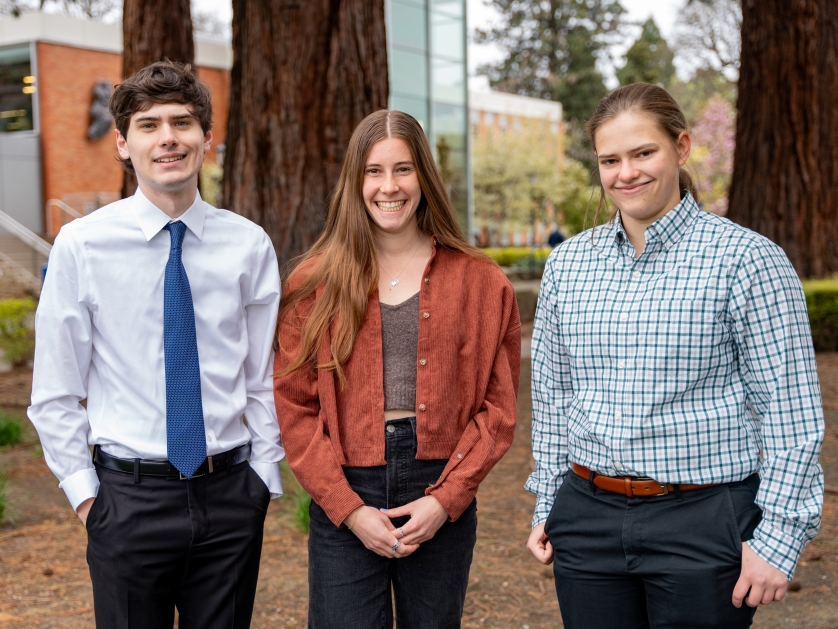
UP Boasts a Trio of Goldwater Scholars for Excellence in STEM Research
April 04, 2024
Three University of Portland students—Cade McDonald, Katie Newton and Anna Singley—are among 508 college students nationwide chosen to receive a prestigious Goldwater Scholarship for their achievements and future promise in STEM research fields.