College of Arts and Sciences
Student Success
How to Prevent Frailty: Exercise Science Advice from UP’s Terry Favero
 If you’ve made it to your fifties able to boast that you can still wear the same size clothes as you did in your thirties, don’t pat yourself on the back just yet. There are far more valuable metrics you should be paying attention to, according to Dr. Terry Favero, biology professor and director of the new exercise science major at University of Portland.
“A stable weight on the scale tells you very little,” he says. “Someone can look exactly the same in the mirror while their power output and walking speed decline. With age and inactivity, fat infiltrates muscle, the fiber composition shifts, and neural drive declines, so the same amount of muscle produces less force. We call that fat infiltration myosteatosis, and it's one reason someone's weight can stay the same while their muscle performs worse.”
You might be wondering why anyone other than a bodybuilder should care about muscle performance, but Favero says it has everything to do with aging well. “The things that decline fastest and matter most for independence are strength, power, and fast-twitch muscle—the Type II fibers that are larger and produce more force but are the most vulnerable to aging. They give you the ability to rise from a chair, climb stairs, carry things, and recover your balance after you trip. Those are the moments where independence is won or lost.”
Favero, who recently shared his expertise in a National Geographic article on how to stave off frailty as we age, says our muscle mass and strength starts to decline as early as our 30s and 40s, but muscle power—the ability to produce force quickly—declines even earlier and faster.
The first signs that you’re losing muscle power are so subtle you might just chalk it up to being out of shape. Maybe you always use your hands to get up from the couch or younger folks easily outpace you on walks. “Tasks requiring speed, power, or quick reactions change before tasks requiring steady effort. By the early 50s, none of this usually limits daily life, but the reserve has started to shrink.”
That physiological reserve is what keeps frailty at bay, giving our bodies the capacity to rise to the physical challenges of daily life, whether that’s carrying our own suitcase up the stairs or spending the day pulling weeds. But the reserve starts to shrink as we hit middle age, sending us into what’s called a “prefrailty” state. “Physiologically, several things are going on at once: gradual loss of motor neurons and remodeling of motor units, a blunted muscle-building response to protein and training (what we call anabolic resistance), changes in mitochondrial function, low-grade chronic inflammation, and, in women, the hormonal shifts of menopause, which accelerate loss of muscle and bone. None of these is frailty, but they shrink the buffer, or reserve, that protects you later, when an illness, injury, or hospital stay hits.”
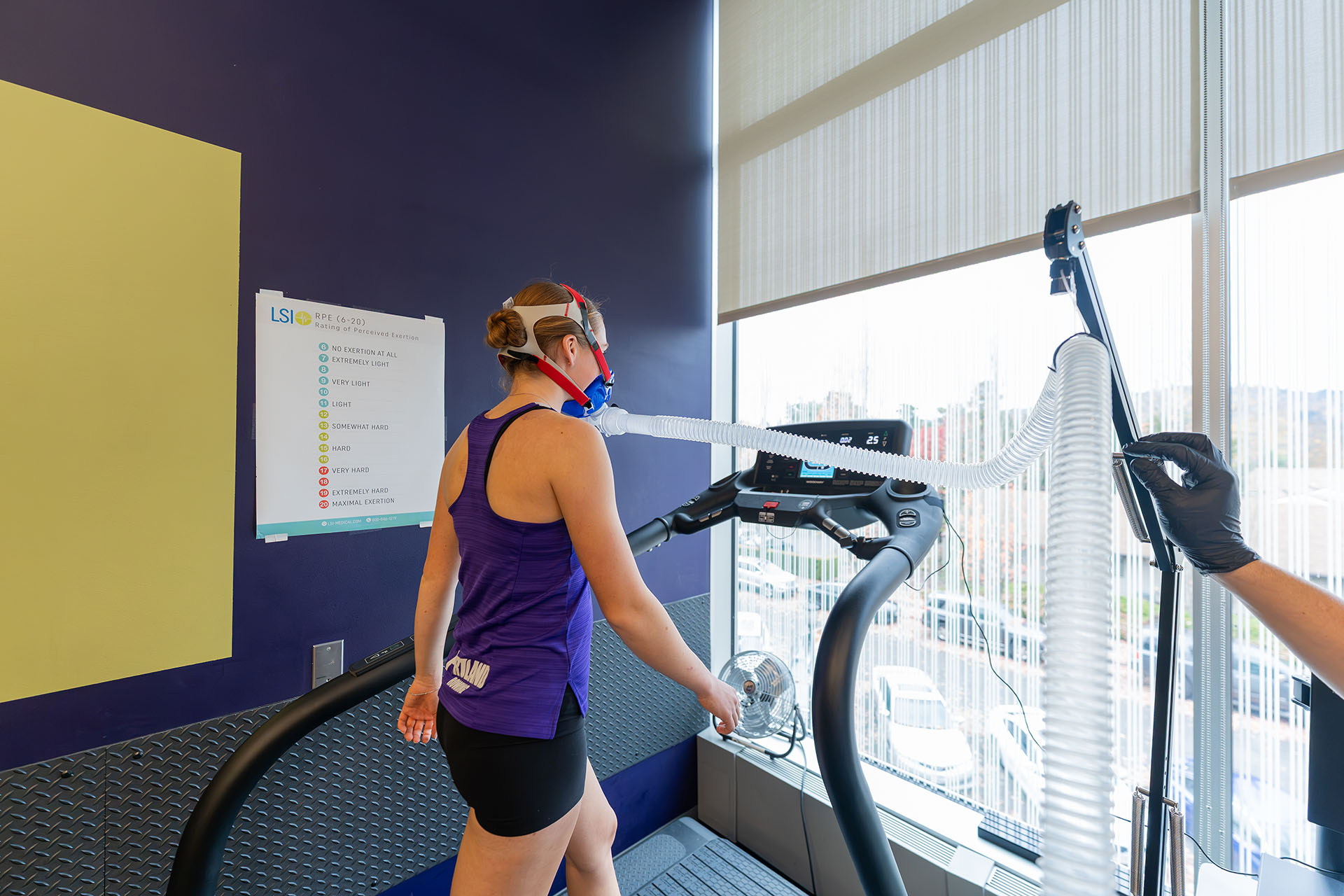 Thankfully, he says multiple long-term studies prove this isn’t a one-way street. “From an exercise science perspective, the most direct route back is rebuilding the specific capacities that define prefrailty: strength, walking speed, and activity level. Early action is key—the prefrail state is where intervention probably has the best odds, because people still have reserves to train hard enough to adapt. But muscle remains trainable at any age.”
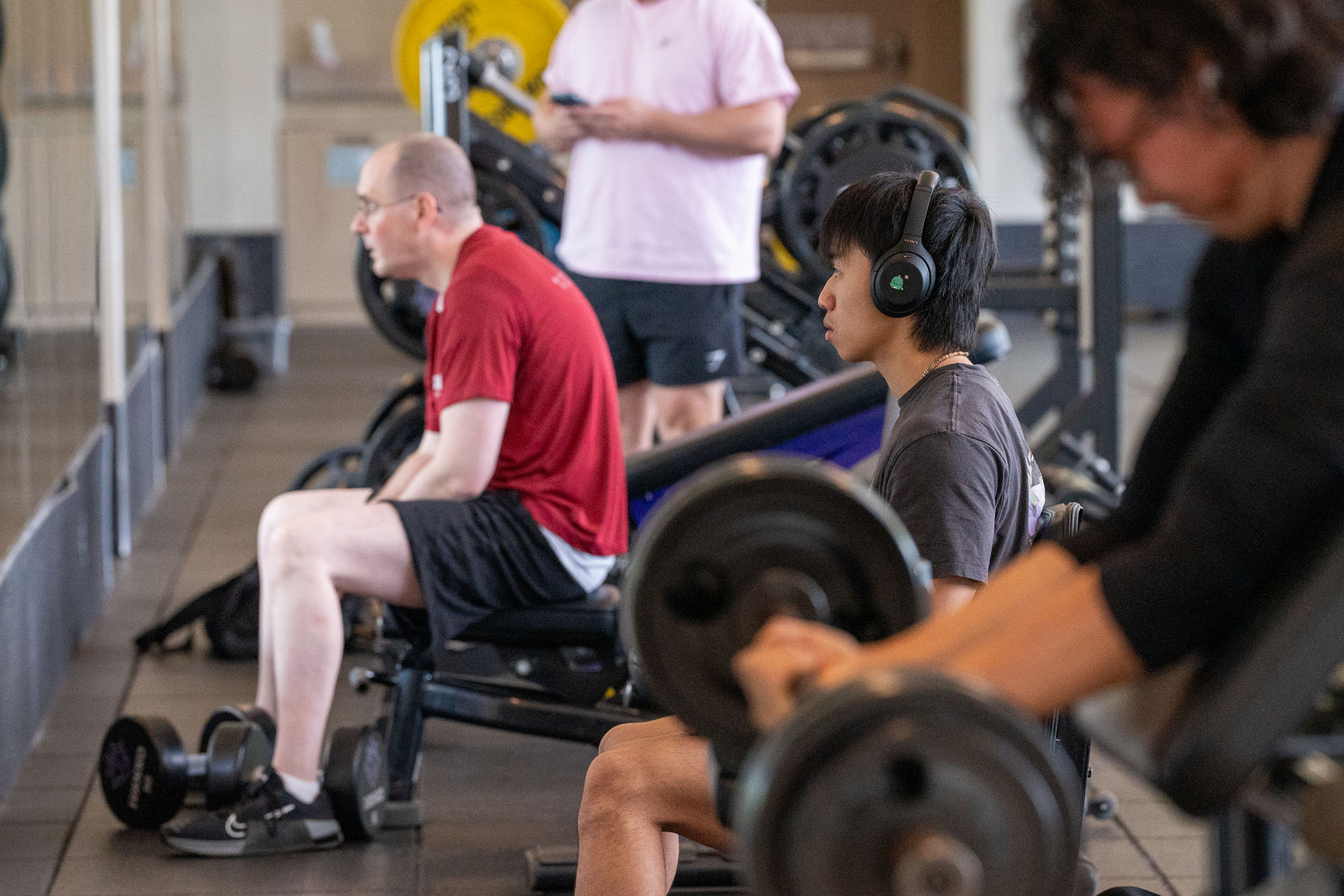
Favero's expert recommendation, which he follows himself as he trains to climb Mount Kilimanjaro in February 2027, is a trifecta of cardio, weights, and balance work. “Progressive resistance training restores strength and power, aerobic training rebuilds endurance and reduces exhaustion, and balance work reduces fall risk.”
If you’ve been putting off pumping iron, consider this your wakeup call. “Walking and cardio are excellent for the heart, metabolism, and endurance, but they don't provide enough load to preserve muscle strength and power, particularly in the Type II fast-twitch fibers. A regular walker can still lose strength at a fairly normal rate. Resistance training fills that gap and adds benefits for bone density and blood sugar control.”
Of course, aging is inevitable, and it comes with a host of physiological changes that exercise alone can’t prevent, but “being stronger, more stable, and more capable at 75 than you otherwise would be is a real, measurable benefit,” he says.
Dr. Terry Favero’s Evidence-Based Recommendations:
- Strength train two to three times a week on nonconsecutive days, covering the legs, hips, back, chest, and arms, with some work done at speed to preserve power. Aim for one to three sets of 8 to 12 repetitions per exercise. Opt for a weight that makes the last couple of reps genuinely hard to produce meaningful gains. As it gets easier, add weight or repetitions.
- Keep up aerobic exercise most days, including some sessions hard enough to raise breathing noticeably. The target is 150 to 300 minutes a week of moderate activity, or about half that if vigorous.
- Add a few minutes of balance work several times a week, such as single-leg stands or walking heel to toe.
- Move throughout the day and limit long stretches of sitting. Someone who works out three times a week but sits for 10 or 11 hours a day is still exposed to the metabolic effects of prolonged sitting. However, studies show 60 to 75 minutes of moderate activity each day can offset much of the elevated mortality risk associated with high sitting time. Try breaking up your sitting time with short bouts of movement. These are now referred to as “exercise snacks” and can also improve blood sugar control after meals. Take the stairs, have a walking meeting, do 15 to 20 chair-sits at your desk. These habits complement strength training; they don't replace it.
- Eat enough protein, spread across meals. This matters more as we age.
- Protect your sleep.
- Track a few simple numbers once a year so you see changes early: grip strength (for example, how long you can hang from a bar), walking speed, how long you can balance on a single leg, and 30-second chair stands (how many times you can go from sitting to standing with your arms crossed in front of your chest in 30 seconds).
Related Posts

College of Arts and Sciences
Shiley School of Engineering
School of Education
School of Nursing and Health Innovations
Welcoming Our New Faculty
College of Arts and Sciences
Alumni and Advancement
Will AI Take Your Job? CNN’s Clare Duffy ‘17 Weighs In
College of Arts and Sciences