School of Education
Student Success
Alumni and Advancement
Graduate School
Developing Clinicians Our Communities Need Most: UP’s Patient-Centered Graduate Nursing Education
University of Portland’s School of Nursing & Health Innovations prepares family nurse practitioners for compassionate, whole-person primary care.
Key Takeaways for Prospective DNP Applicants:
- Program Focus: Patient-centered, trauma-informed care and primary care leadership.
- Format: Flexible hybrid learning designed for working registered nurses (RNs).
- Top Applicant Qualities: Curiosity, clinical discernment, and advocacy.
- Career Outcomes: Graduates practice across top PNW healthcare networks including OHSU, Providence, Portland VA, and Vancouver Clinic.
Faculty Spotlight: Dr. Joy Moceri, DNP, FNP-C ’19
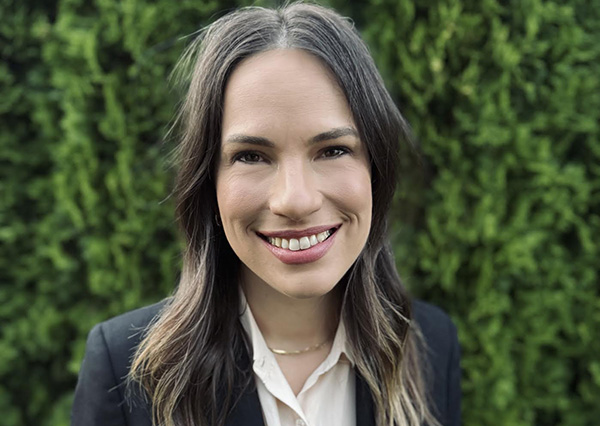 Student-centered teaching is Dr. Joy Moceri’s primary motivation. As assistant professor at University of Portland’s School of Nursing & Health Innovations and Program Director of the DNP-FNP track, Dr. Moceri understands that empowering nursing students is the key to transforming patient-centered care.
Prior to the onset of the COVID-19 pandemic, Dr. Moceri practiced as a paneled primary care provider and was inspired by how necessity sparked overdue innovation, particularly the widespread adoption of telehealth. She is passionate about healthcare reform and new delivery models that support patient-centered and trauma-informed care, frequently incorporating integrative therapies like mindfulness—the subject of her doctoral research—into her clinical practice.
Faculty Q&A: Inside UP’s DNP-FNP Experience
What inspires you to show up for your DNP-FNP students each day?
The students are why I love this role. Our doctorally prepared nurse practitioner graduates are changing how primary care is delivered, and it shows in what drives them: many come to this work because of personal or family experiences navigating the healthcare system.
This past year we saw a striking number of applicants coming from high-acuity inpatient settings, and a clear theme ran through their interviews: determination fueled by witnessing the ripple effect of poorly controlled chronic disease, and a conviction that primary care is where that trajectory can change.
That's exactly the kind of clinician we want to develop—one who provides person-centered, present care amid all the pressures facing primary care today. Our graduates go on to practice across regional family medicine settings like Providence Health and Services, Portland Clinic, the Portland VA Medical Center, Oregon Health and Science University, and Vancouver Clinic, among others. Our world needs more primary care providers who truly listen. I'm proud that our program is helping produce them.
What are the top 3 qualities of a competitive DNP-FNP applicant?
A spirit of inquiry: You must be curious to practice family medicine. We're training clinicians to maintain and grow the breadth of knowledge and skill required for comprehensive, continuous care across ages, populations, and settings, and the amount of accessible medical information is growing exponentially. People want a clinician who is curious, who listens, and who never stops learning.
Clinical discernment: We want to learn how applicants approach clinical experiences where the answer isn't clear. That's the heart of clinical discernment: holding content and context together, the labs and the guidelines, yes, but also the family dynamics, the fear in the room, and the patient values. Care isn't one-size-fits-all, and it can't be practiced that way. This matters most at the exact moment our students are making their biggest shift: from an RN role in which the plan is already developed, to an FNP role built around developing their own.
Heart and advocacy: My favorite part of interviewing is getting a glimpse of how these practicing nurses already show up for their patients in their clinical settings: how they lead through conflict, how they navigate the real pressures of healthcare, and how they advocate for better patient care. We want to hear students' stories, what brought them to the journey of becoming an FNP, because this carries them through.
What makes University of Portland’s hybrid DNP program unique?
Community and belonging—UP is a family! Being a student in a graduate program, especially a hybrid one, carries a real risk of isolation, so we work hard to build a strong sense of belonging and connection within each cohort through meaningful orientations and immersions. Hybrid programs are a bit of a double-edged sword: the flexibility is what makes the degree possible for working nurses, but that same distance can leave students feeling unseen. That's why truly knowing our students, their backgrounds—their why—is essential to how we teach and support them.
Graduate Nursing Program Resources
Learn more about the Doctor of Nursing- Family Nurse Practitioner Program
Explore the Doctor of Education in Nursing Education and Leadership
Related Posts
Graduate School
School of Business
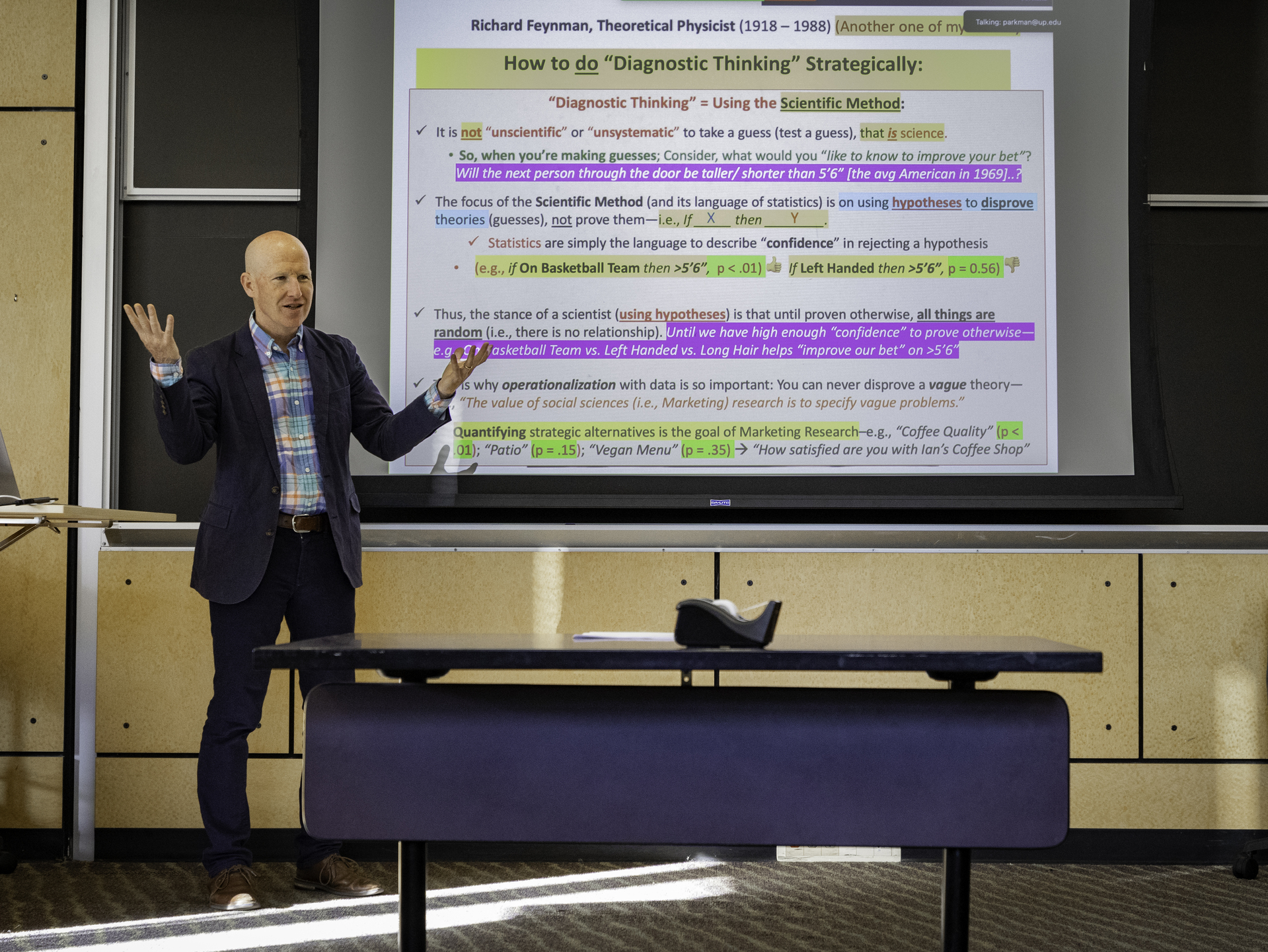
University of Portland, Marketing Program Ignites Diagnostic Thinking
Graduate School
Alumni and Advancement
School of Education
Rising to the Challenge: Lessons from a Graduate Student’s MAT Journey
School of Education
Awards and Rankings
Graduate School